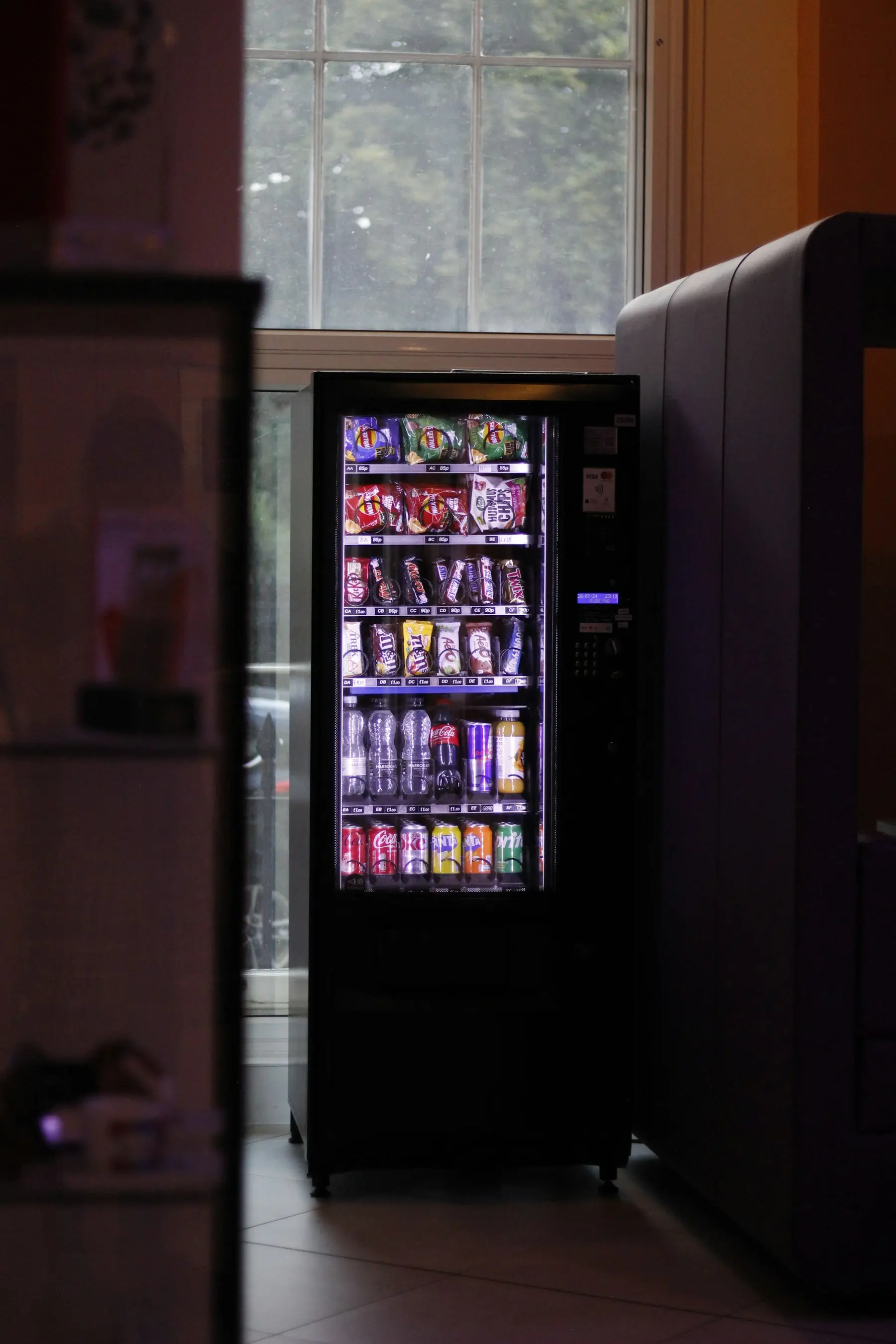
Starting with one smart cooler in California costs about $4,800 in San Diego and about $5,500 in San Francisco before you buy product. $4,000 of that is the machine. The rest is registration, a health permit, insurance, and the fee for finding the location. The paperwork takes a seller’s permit (free) (CDTFA3), a city business registration, and, if the machine holds refrigerated food, a county health permit.
The steps below are in order. The permit and tax details are California’s, with San Francisco and San Diego fees as the worked examples. A table near the end shows how four other states differ.
Pick the machine type first
The machine type decides the permits you need, the locations that fit, and how much you spend.
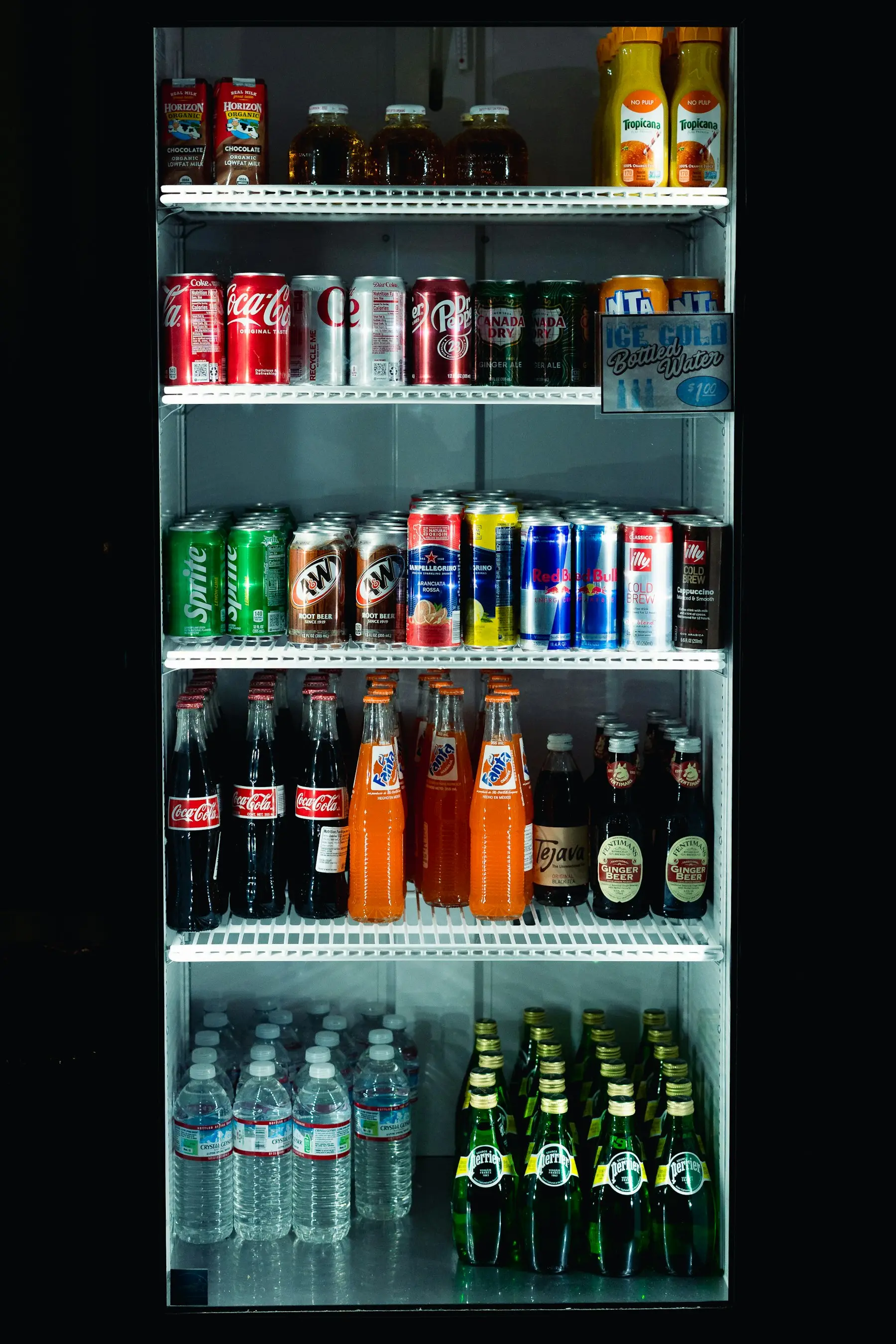
- Smart cooler. A glass-door fridge that unlocks on a card tap and charges for what is taken. Ours cost $4,000; list prices run from $2,950 to $10,225. It can hold fresh food, which is what triggers a health permit. Models, prices, and what to check.
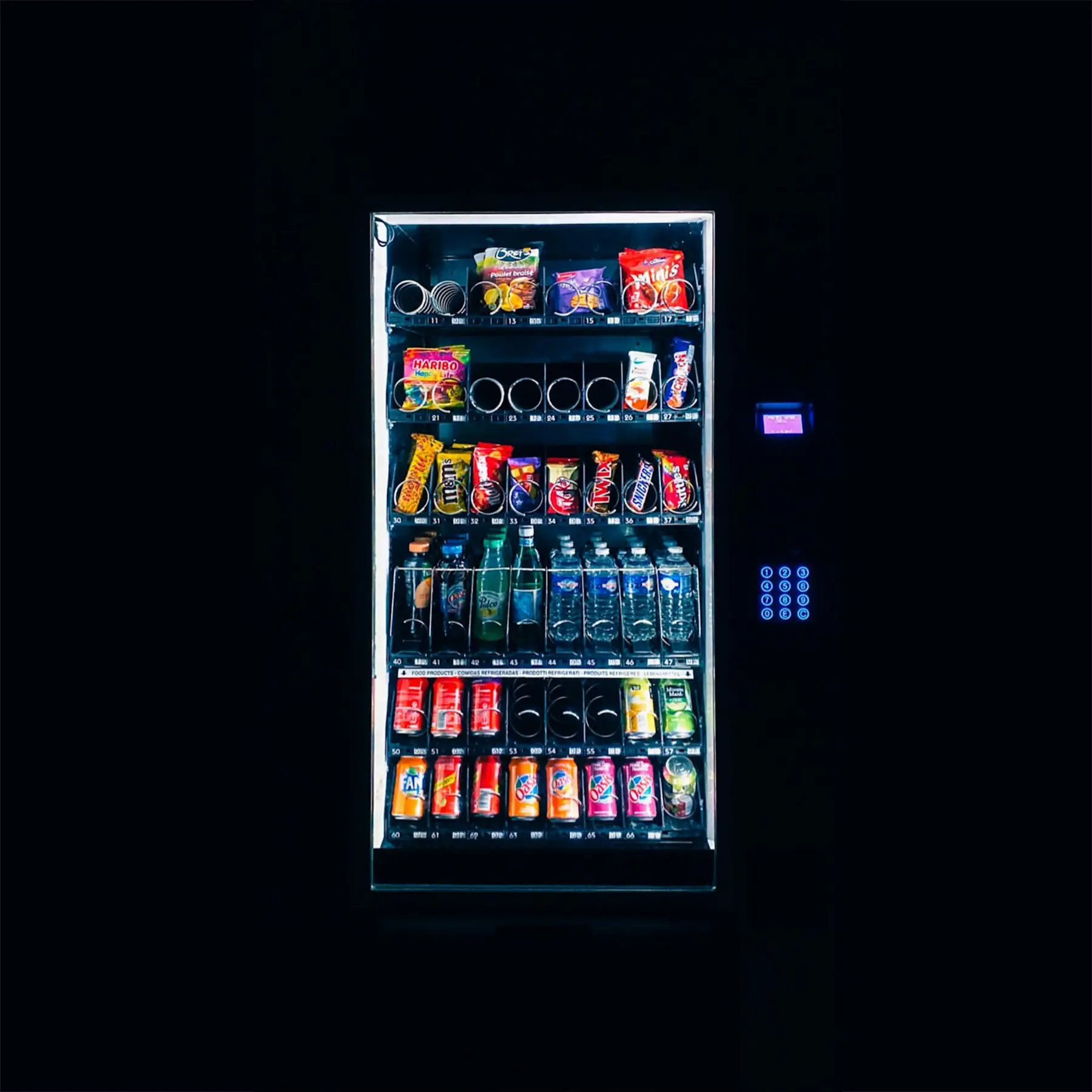
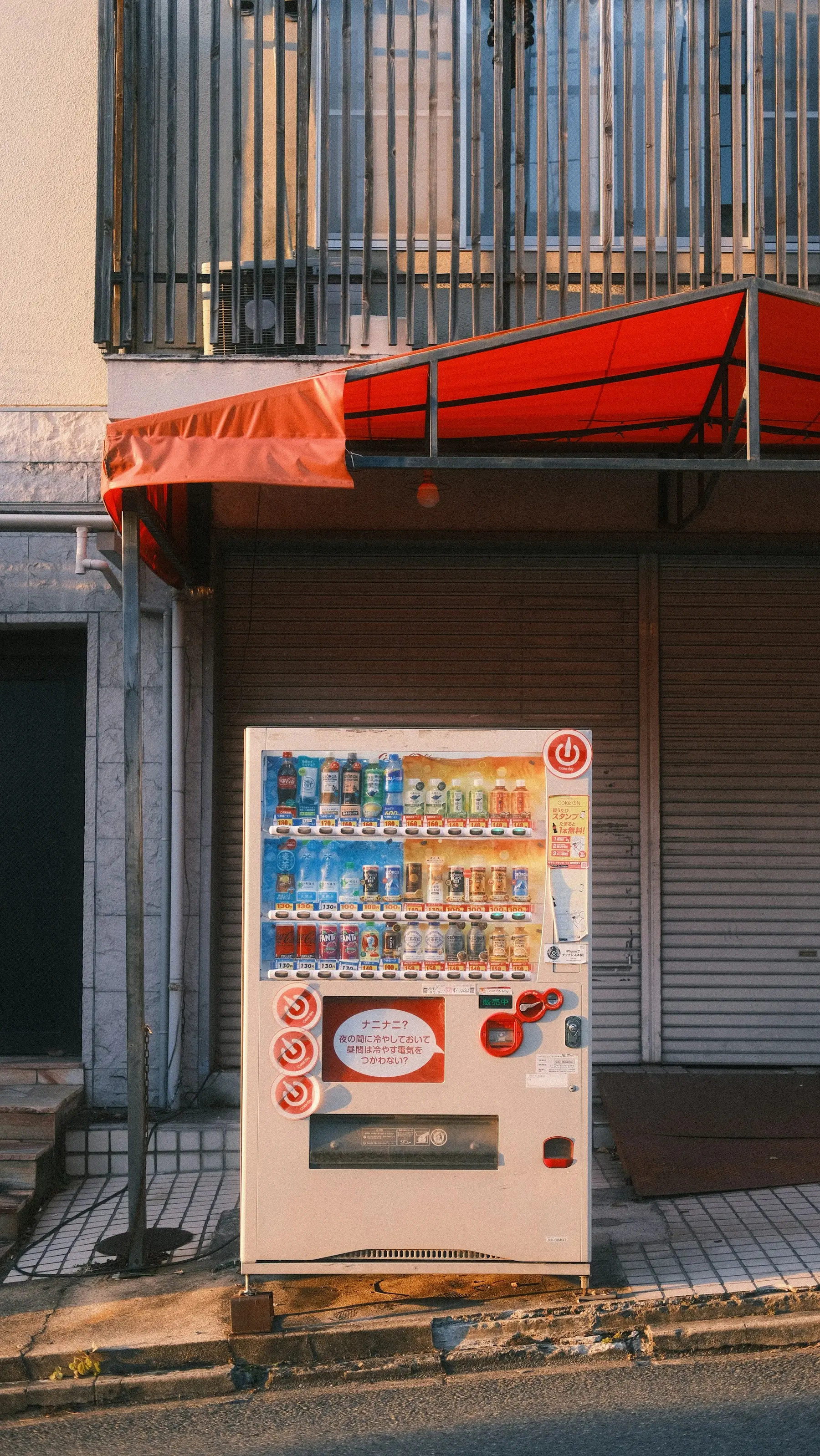
- Snack or drink machine. The traditional spiral machine. Sold new, refurbished, and used by the companies in where to buy. If it sells only packaged snacks and shelf-stable drinks, California’s food code does not treat it as a vending machine at all, and no state health permit applies (CalCode §11393811).
- Claw machine. An amusement machine, so food rules do not apply, but gambling rules might. California’s Bureau of Gambling Control lists claw machines among illegal gambling devices; details here.
Get a location before you buy the machine
A machine in your garage earns nothing, and the right machine depends on the location. Sign the location first.
There are two ways to get one. You can pitch businesses yourself, or you can pay a locator. We pay a locator $250 per placement. Locator companies that advertise prices charge more: The Vending Locator lists one guaranteed placement at $500 for a site with 50 or more employees, rising to $2,000 for 200 or more, and quotes one to six months to deliver it (The Vending Locator15). Lead lists from The Vending Locator and Vending Locator cost $19 to $999 and are cold contacts, not placements (Vending Locator22); locator prices compared.
The location will usually want a commission, a percentage of sales. One of our locations takes 15%. We could not find a current commission survey from NAMA or the trade press. A vendor blog, VendBuddy, puts the range at 5% to 20% of gross sales, with small offices at 0% to 5% (VendBuddy16).
Put four things in writing with the location: the commission and what it is calculated on, who pays for electricity, how much notice either side gives to remove the machine, and that you are the only vending operator on site.
Register the business
Seller’s permit. Anyone selling through a vending machine in California needs one from the CDTFA. It is free, and one permit covers all your machines (CDTFA Regulation 15742). The CDTFA can ask for a security deposit when you apply (CDTFA3).
City registration. San Francisco requires registration within 30 days of starting. The 2026-27 fee is $55 plus a $4 state fee if your San Francisco receipts are $100,000 or less (SF Treasurer4). The city’s First Year Free program waives first-year registration and permit fees for businesses with a commercial location; whether an operator with machines in other people’s buildings qualifies is something to ask the Treasurer’s office (SF Treasurer5). The City of San Diego charges $34 a year for a business with 12 or fewer employees, plus the same $4 state fee (City of San Diego8), due within 15 days of starting (City of San Diego9).
LLC, optional. You can operate as a sole proprietor. A California LLC costs $70 to file, $20 for the Statement of Information due within 90 days (Secretary of State12), and $800 a year in franchise tax. The first-year waiver of the $800 ended for LLCs formed after 2023, so an LLC formed in 2026 owes it in year one (FTB13).
Check the health permit before you buy
This is the step that differs most between machine types, and the one to settle before you spend money.
California’s Retail Food Code defines a vending machine as a device that dispenses food and works with a commissary. It excludes machines that dispense only packaged candy, cookies, crackers, similar snacks, and drinks that do not need refrigeration for safety (CalCode §11393811). A snack machine or a soda machine needs no state food permit.
A machine holding food that needs refrigeration, such as sandwiches, salads, yogurt, or milk, is a food facility and needs a permit from the county.
Fees from San Francisco DPH’s FY27 schedule6, with the per-machine basis from Business and Tax Regulations Code §249.17, and the San Diego County DEHQ schedule10:
| Item | San Francisco (DPH) | San Diego County (DEHQ) |
|---|---|---|
| Annual fee | $273 per machine, April 2026 to March 2027 | $98.50 per 10 machines or part |
| Application | $470 permit application with first inspection | Not listed separately |
| Plan check | $1,103 listed for vending machines | Not listed |
| Next year | $300 from April 2027 | Schedule revised each July |
Two things we could not confirm from the published schedules: whether San Francisco charges the application and plan-check fees per machine or once per operator, and how either county classifies a smart cooler. Call the environmental health office with the make and model before you order.
The food itself has rules too. It has to come from an approved source, stay in the package the commissary or processor put it in, and be held at 45°F or below. Home-made food is not allowed (CalCode11).
Buy the machine and a way to take cards
Buy the machine once the location and the permit question are settled. Where to buy lists manufacturers, dealers, and used channels with their published prices.
The machine has to take cards. Cantaloupe’s 2026 report on the machines it processes found 78% of food and drink vending sales were cashless in 2025 (Cantaloupe23). Smart coolers are card-only by design. A traditional machine needs a reader added, at $329 for Cantaloupe’s Engage plus $9.95 a month (Cantaloupe24) to $399 for Nayax’s VPOS Touch plus $9.99 a month (Nayax25); card readers compared. We use Nayax and WeVend, and on our smart cooler the processing runs 4% of sales plus $8 a month.
Insure it
General liability is the minimum, and a location may ask for a certificate before you install. Insureon, a broker, reports a median of $37 a month ($442 a year) for vending operators on a $1 million per occurrence policy. If you drive a vehicle for the business, its median for commercial auto is $171 a month (Insureon14).
Stock it, price it, and label it
Product. Small operators buy from club stores and cash-and-carry wholesalers. Costco membership is $65 a year (Costco26). Sam’s Club is $60 (Sam’s Club27). Restaurant Depot is free with a business license (Restaurant Depot28). Vistar, the vending distributor owned by Performance Food Group, delivers and asks for expected order size when you apply (Vistar29). On our smart cooler, product runs 25% of sales.
Prices. California presumes vending prices include sales tax, so the price on the shelf is the price the customer pays and you back the tax out when you file (CDTFA Regulation 15742). The sales tax article covers the arithmetic.
Labels. Each machine needs your name, address, and seller’s permit number in a conspicuous place (CDTFA Regulation 15742). A machine with a health permit also needs your telephone number (CalCode11).
What the first machine costs
One smart cooler holding refrigerated food, first year, no LLC.
| Item | San Francisco | San Diego | Basis |
|---|---|---|---|
| Smart cooler | $4,000 | $4,000 | What we paid |
| Locator fee | $250 | $250 | What we pay per placement |
| Seller’s permit | $0 | $0 | CDTFA |
| City registration | $59 | $38 | 2026-27 fee plus $4 state fee |
| Health permit | $743 | $98.50 | SF: $273 license plus $470 application. SD: one fee per 10 machines |
| General liability, 12 months | $442 | $442 | Insureon median |
| Before product | $5,494 | $4,828.50 | |
| LLC, if you form one | $890 | $890 | $70 + $20 + $800 |
Not in the table: the first load of product, San Francisco’s $1,103 plan check if it applies to your machine, and a vehicle.
Other states
Licensing follows one of a few patterns. These four show the range.
| State | What it requires |
|---|---|
| Florida | A state license from the DBPR’s Division of Hotels and Restaurants for machines holding food that needs refrigeration, with an opening inspection and a decal on the machine. Machines with only shelf-stable items are excluded (Florida DBPR17). |
| Texas | A $60 annual occupation tax per coin-operated amusement machine, which covers claw machines (§2153.40118). Food, drink, and merchandise machines are exempt from it if they are subject to an occupation or gross receipts tax (§2153.00421). |
| New York | Sales tax registration. Candy and similar items are exempt at $1.50 or less in a cash-only machine, or $2.00 or less in a machine that takes cards (NY ST-28019). |
| Illinois | Sales tax registration that states your number of machines, with a sub-certificate displayed on each one (35 ILCS 120/2a20). |
In any state, start with two calls: the state tax agency for the sales tax permit, and the county health department for the food permit.